
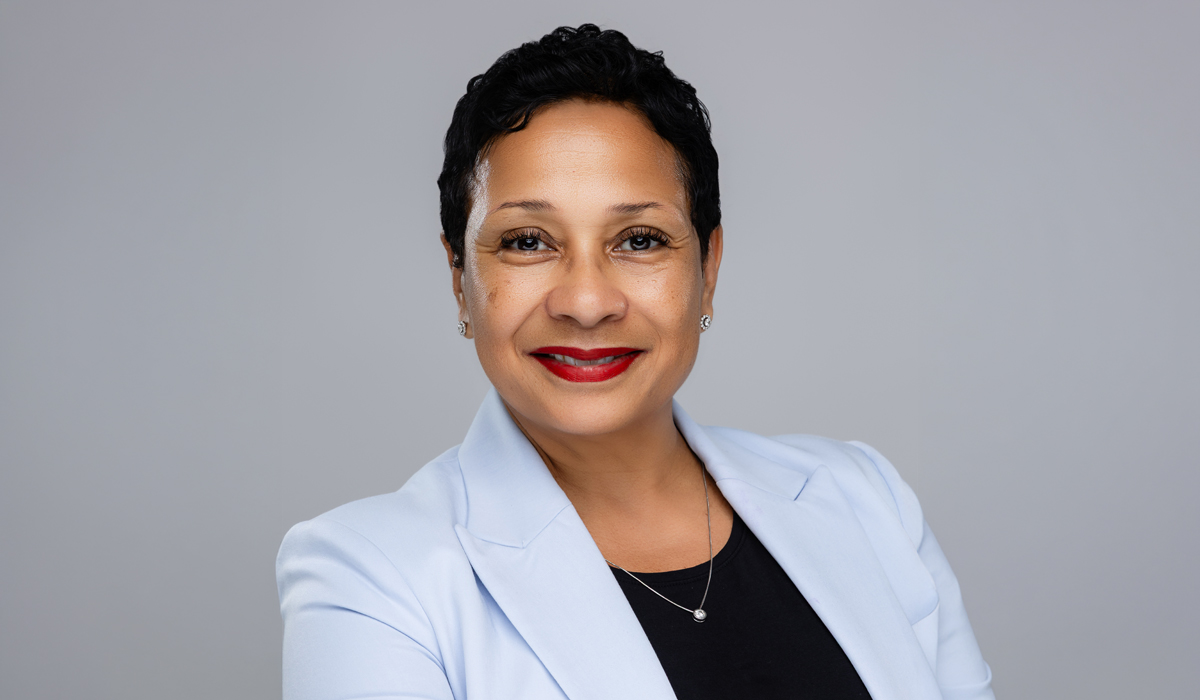
06 Jul Interview with May-Ling Chun, Director of Tourism, Sint Maarten Tourism Bureau
Sint Maarten welcomes nearly 2 million visitors a year despite its small population, with North Americans making up roughly half of all stay-over travelers. How would you describe Sint Maarten to L.A. Times readers, what makes it a uniquely compelling Caribbean destination for US travellers?
Sint Maarten is one of the most dynamic and complete destinations in the Caribbean. What makes us especially compelling for U.S. travelers is that we offer far more than a typical beach vacation. On one small island, visitors experience two nations, two cultures, two culinary identities and an extraordinary range of activities, all with the warmth and accessibility that the Caribbean is known for.
For American travelers, Sint Maarten offers ease, diversity and sophistication. You can arrive and in one day enjoy world-class beaches, fine dining, local food, yachting, shopping, wellness experiences, heritage, nightlife and authentic Caribbean culture. Our Dutch and French duality gives the island a cosmopolitan edge, while still maintaining that relaxed island soul. We are also a very convenient gateway to the wider northeastern Caribbean, which makes us attractive not only as a vacation destination, but also as a hub for multi-island travel.
What truly sets Sint Maarten apart is that we deliver variety without sacrificing intimacy. Visitors can shape the experience they want, whether that is luxury, romance, adventure, family travel, wellness, or cultural immersion.
Tourism momentum surged again in 2024–2025, highlighted by a 16.9% rise in airport arrivals and a 14% jump in cruise passengers in Q2 2025. What forces have driven the sharp rise in arrivals in 2024/25 and how is this influx translating into real economic gains for the island?
The strong momentum in 2024 and 2025 reflects a combination of strategic planning, improved market confidence, stronger airlift, destination marketing and the resilience of the tourism sector itself. Sint Maarten has remained highly visible in key source markets, particularly North America, while also deepening trade and media partnerships and strengthening relationships with airlines, tour operators, cruise partners and travel advisors.
We have also benefited from sustained destination demand. Travelers today are looking for destinations that offer ease of access, variety, strong accommodation options and memorable experiences and Sint Maarten delivers on all of those fronts. In addition, our recovery and development efforts across tourism infrastructure, hospitality and product enhancement have helped reinforce traveler confidence.
The economic impact is very real. Tourism drives spending across accommodations, restaurants, transportation, retail, excursions, maritime services and many small and medium-sized enterprises. Increased arrivals support employment, business revenues, government tax intake and broader investment confidence. The objective is not only to grow numbers, but to ensure tourism growth translates into wider economic circulation, local opportunity and long-term national benefit.
How central is cruise tourism to Sint Maarten’s visitor economy and what steps has the island taken to position itself as a top-tier stop for North American cruise passengers?
Cruise tourism is a vital pillar of Sint Maarten’s visitor economy. It provides significant visitor volume, broadens the destination’s global visibility and creates commercial activity for a wide range of businesses, from tour operators and taxi drivers to retailers, restaurants, attractions and cultural vendors.
Sint Maarten has worked consistently to position itself as a premier cruise destination by focusing on service quality, destination appeal, shore-side experiences and strong collaboration with the port and cruise partners. We understand that cruise passengers are not simply passing through. They are potential repeat stay-over visitors and their first impression matters.
Our strengths include a highly attractive cruise port, close proximity to beaches and town, strong excursion offerings, excellent shopping, a vibrant culinary scene and an island personality that is both energetic and welcoming. We continue to enhance the overall visitor experience through destination beautification, product development, stakeholder engagement and alignment with cruise industry needs. Our aim is to ensure that cruise visitors leave with an experience strong enough to inspire a return stay.
Major improvements to the airport, port and transport networks are reshaping the island’s tourism capacity. How have infrastructure upgrades, such as the new arrivals hall at Princess Juliana International Airport, strengthened the island’s ability to handle rising visitor numbers?
Infrastructure is fundamental to destination competitiveness. The visitor experience begins the moment a traveler arrives, so improvements at Princess Juliana International Airport and across the tourism ecosystem have a direct impact on capacity, efficiency and perception. The upgraded arrivals experience supports smoother passenger flow, improved comfort and greater operational readiness to accommodate growing demand. That matters not only for volume, but also for first impressions. A destination must function well if it intends to compete at a higher level internationally.
The same applies to broader transport and port-related improvements. Stronger infrastructure helps us handle visitor growth more effectively, support air and cruise expansion and create a more seamless journey from arrival to departure. It also builds confidence among investors, airlines, cruise lines and travelers. For Sint Maarten, infrastructure development is not just about handling more people. It is about elevating the standard of the destination.
Luxury projects like Vie L’Ven and the new JW Marriott are also signalling a shift toward higher-end travel. Which flagship resort developments are redefining the island’s hospitality landscape and elevating its luxury profile?
We are seeing important developments that are helping to reposition Sint Maarten within the higher-end travel space. Projects such as Vie L’Ven and the JW Marriott are strong signals of investor confidence and of the destination’s evolution toward a broader and more sophisticated hospitality offering. These developments matter because they expand our accommodation profile and elevate perception in markets where travelers are increasingly seeking premium, design-led and experience-rich stays.
At the same time, Sint Maarten’s strength is that luxury here does not exist in isolation. It is paired with authenticity, accessibility and cultural richness. A visitor can enjoy a refined resort experience while still engaging meaningfully with local cuisine, local communities, marine life and the island’s unique character. This evolution also supports our strategy to increase value per visitor, diversify the tourism portfolio and create stronger alignment between hospitality, lifestyle, wellness, real estate, yachting and experiential travel.
What recent successes has Sint Maarten had in expanding air connectivity to the U.S. and what new routes will travellers see in 2025 and beyond?
Air connectivity remains one of the most strategic priorities for Sint Maarten and we have made meaningful progress through close collaboration with airlines, the airport and tourism partners. SXM Airport total passenger traffic for 2025 was approximately 1.8 million passengers, up from 1.6 million in 2024. The total aircraft movements in 2025 was 64,610, up from 59,858 in 2024, which is an 8% increase. Regional Caribbean was up 9.5%, Europe +9%, South America +9%, Canada +8% and North America +7.3%. The U.S. market continues to be critically important and we have focused on strengthening access, preserving seat capacity and identifying opportunities for route growth that align with demand patterns.
Our recent successes have been rooted in proactive engagement with airline partners, route-development discussions, market intelligence and destination promotion that demonstrates the strength of Sint Maarten as both an end destination and regional hub. Improved connectivity not only brings more visitors; it also reinforces confidence among the travel trade and supports business, family and regional movement.
The U.S. market remains a primary focus for STB and our approach is multi-layered. We continue to participate in key travel trade conferences, conduct market engagement activities, strengthen relationships with travel advisors and tour operators, support media exposure and align our campaigns with target audience behavior and booking trends.
We are also placing greater emphasis on strategic storytelling, destination positioning, digital visibility and tactical partnerships that convert interest into actual travel. This includes stronger market segmentation, more curated messaging and campaigns that reflect what today’s traveler is looking for: authenticity, ease, richness of experience and emotional connection. In addition, STB is committed to expanding the value of our U.S. outreach by aligning promotions with airlift, seasonal trends, niche segments and experiential travel interests. The objective is not simply reach. It is relevance and conversion.
Looking ahead, the focus is on continuing to strengthen gateway access, especially from key North American markets, while also expanding regional and international connectivity that supports onward travel and a wider visitor base. The long-term objective is smart, sustainable airlift growth that matches our tourism ambitions.
The Sint Maarten Tourism Bureau guides national tourism strategy and global promotion. New initiatives like the Salt & Soul magazine and the 2026 regional tradeshow set for June are raising the island’s global profile. What have been some of STB’s biggest achievements and successes lately and how is STB modernizing its marketing to better reach global audiences, particularly through digital tools and hyper-local storytelling?
One of STB’s most important achievements has been the continued strengthening of Sint Maarten’s destination profile during a period of intense global competition. We have worked to ensure that the island is not only visible, but meaningfully differentiated. That includes stronger destination storytelling, deeper trade engagement, sustained media relations, enhanced market development and a more strategic integration of culture, people and place into our branding.
Initiatives such as Salt & Soul reflect this shift. We are moving beyond generic destination marketing and toward storytelling that is more immersive, human and locally rooted. We want audiences to understand not only what Sint Maarten looks like, but what it feels like. That is where hyper-local storytelling becomes powerful. It allows us to spotlight our cuisine, our neighborhoods, our people, our music, our traditions and our identity in a way that resonates more deeply with modern travelers.
At the same time, STB is modernizing through digital platforms, targeted campaigns, content partnerships, more agile communication tools and stronger data-informed decision-making. The goal is to meet audiences where they are while ensuring the destination message remains authentic, contemporary and strategically aligned.
Sint Maarten maintains strong ties with Los Angeles, the U.S. and regional neighbors such as St. Kitts, Barbados and the Dominican Republic. How is Sint Maarten strengthening collaboration with Caribbean neighbors to build a more unified, resilient tourism region?
Regional collaboration is essential to the future of Caribbean tourism. No island operates in isolation and increasingly the region must think in terms of connectivity, shared opportunity and mutual resilience. Sint Maarten has long played a strategic role as a hub within the northeastern Caribbean and we see strong value in deepening partnerships with neighboring destinations. This collaboration can take many forms: joint promotion, multi-destination travel opportunities, shared airlift discussions, cruise and yachting synergies, event partnerships, knowledge exchange and coordinated responses to external shocks.
A stronger regional approach allows us to market the Caribbean more intelligently while also building systems that are more resilient in times of disruption. For Sint Maarten, these relationships are not symbolic. They are practical and strategic. The more connected and coordinated the region becomes, the stronger our ability to attract visitors, support carriers, create combined experiences and compete effectively in a fast-changing global tourism environment.
In your view, which tourism segments offer the strongest opportunities for foreign investors and why is now the ideal time to enter the market?
Some of the strongest opportunities for investors lie in hospitality development, boutique and branded accommodations, luxury and lifestyle travel, wellness tourism, marina and yachting-related services, experiential attractions, real estate-linked hospitality and tourism-support infrastructure. There is also growing opportunity in areas that strengthen the destination ecosystem, including technology, sustainability, transport services and destination experiences that enhance visitor spend and stay length.
Now is an attractive time because Sint Maarten is demonstrating demand, visibility and momentum. Investor interest tends to follow confidence and confidence is built through performance, connectivity, destination appeal and development readiness. We are seeing those ingredients align.
Sint Maarten also offers a unique value proposition. It is a globally recognized Caribbean destination with strong North American appeal, a well-established tourism base, dual European-Caribbean identity, regional gateway function and room for product diversification. For investors looking at the Caribbean with a medium- to long-term view, Sint Maarten presents both immediate opportunity and strategic relevance.
You stepped up as director of tourism in 2018 and have successfully led the island’s tourism industry through the pandemic to a huge boost in visitors and a huge rise in worldwide visibility. What are your current top personal priorities as director of STB and how do they shape your long-term vision for Sint Maarten’s tourism future?
My priorities are centered on sustainable growth, destination value, stronger tourism intelligence, product development and ensuring that tourism continues to create broader national benefit. Growth alone is not enough. It must be guided, measured and aligned with the long-term interests of the country and its people. I am focused on strengthening our destination brand, improving the quality and diversity of the visitor experience, deepening strategic partnerships and ensuring we remain competitive in airlift, cruise, hospitality and emerging market segments. I also believe strongly in building a tourism future that is more inclusive, more culturally rooted and more reflective of Sint Maarten’s full identity.
Long term, my vision is for Sint Maarten to be recognized not only as one of the Caribbean’s most successful destinations, but as one of its most complete: a place where tourism growth, national pride, local participation, economic value and destination quality move forward together.
What is your final message for the readers of the L.A. Times?
Sint Maarten invites you to experience the Caribbean in a way that is vibrant, layered and genuinely unforgettable. We are more than a beautiful island. We are culture, flavor, movement, warmth and connection. Whether you come for our beaches, cuisine, sailing, luxury, adventure, or simply to recharge, you will discover a destination with heart and personality. For travelers seeking a Caribbean escape with depth, energy and elegance, Sint Maarten is ready to welcome you.
Sorry, the comment form is closed at this time.